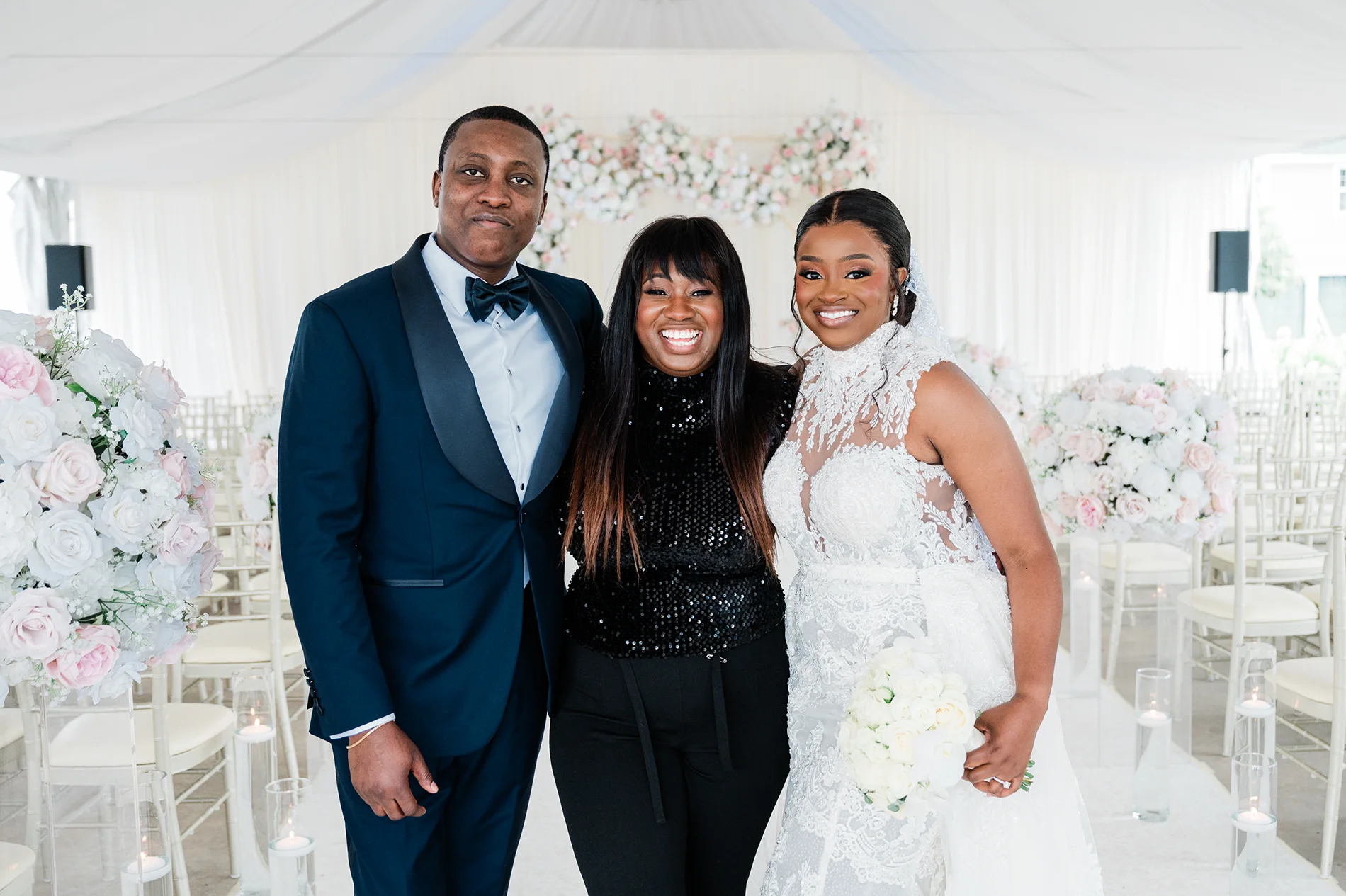
South Asian Wedding Planner in Chicago
Four events. Five, sometimes. Different outfits, venues, and rituals, all within one long weekend. That’s the reality of most South Asian weddings, and why they need a different kind of planning than a single-day ceremony. JoKay Events works as a south asian wedding planner in Chicago for Indian, Pakistani, Bangladeshi, and Sri Lankan families, across Hindu, Muslim, Sikh, and Christian South Asian traditions. We build wedding weekends that hold together from the first event to the last.
Getting to Know Your Wedding Weekend
Ask ten South Asian families what their wedding includes, and you’ll likely get ten different answers. Here’s a sample of what commonly shows up on the schedule:
Mehndi: A henna evening for the bride and her guests, often grown into its own full party with music and color.
Haldi: A turmeric ritual applied to the bride and groom beforehand, meant as a blessing before the big day.
Sangeet: A high-energy night of performances and dancing, frequently rehearsed for months and considered the highlight of the weekend by many guests.
Baraat: The groom’s arrival, usually loud, celebratory, and full of dancing before the ceremony even begins.
The Ceremony Structure depends on faith: a Hindu couple may exchange vows around a sacred fire, a Sikh couple’s Anand Karaj takes place in a Gurdwara, and a Muslim couple’s Nikah is often followed by a Walima reception.
Your family’s version might include all of these, a few, or events not listed here at all. We build around what’s actually on your calendar, not a generic assumption of what a South Asian wedding “should” include.
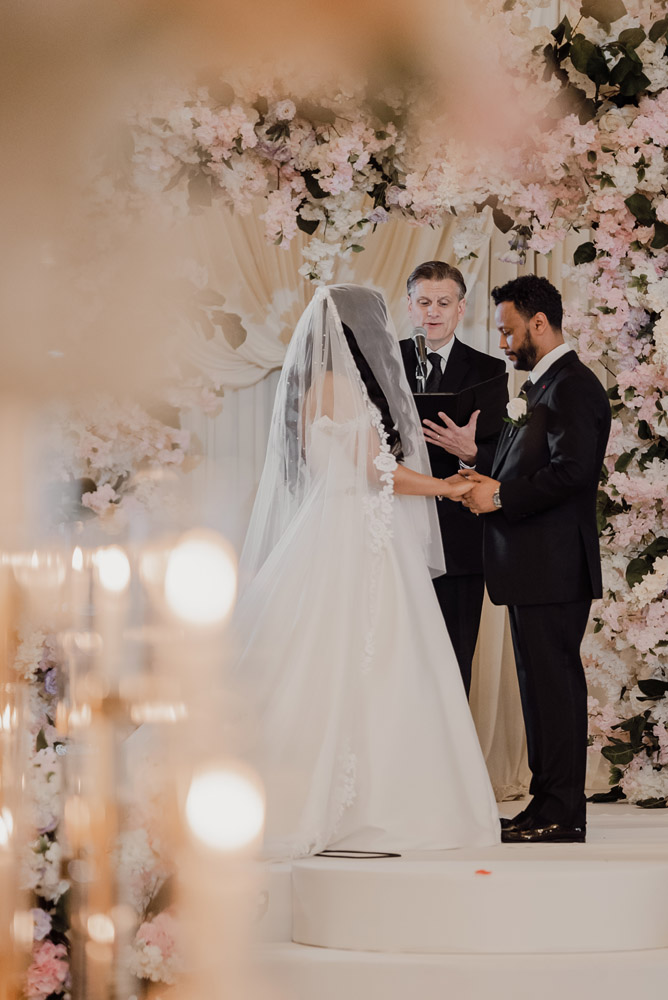
What Planning Actually Looks Like
Coordinating four or five connected events, each with its own venue and vendor list, is a different kind of project than a single wedding day. Here’s how we approach it:
Mapping the full calendar
We sit down with your family early to lay out every event and what each one means to you
Building a weekend-long timeline
Setup, breakdown, and guest travel time between venues all get planned around, not left to chance
Coordinating vendor timing
Vendors need to be in the right place at the right hour, sometimes for several days straight
Bringing in real expertise
A henna artist used to small home appointments may struggle with a 200-guest Mehndi, so we only bring in vendors who’ve done this specific work before

The JoKay Difference
Most event planners can technically say yes to a South Asian wedding booking. Fewer have actually worked a five-day weekend where the Sangeet rehearsal ran long and the Mehndi tent needed to be reset overnight. Here’s what sets us apart:
- Each function gets its own plan: We treat every event on your calendar as its own celebration, not a single wedding with a few extra costume changes
- No one-size-fits-all template: A Punjabi Sikh wedding, a South Indian Hindu wedding, and a Bangladeshi Muslim wedding each get planned on their own terms
- Years of hands-on experience: As an indian wedding planner working across the wider South Asian community in Chicago, we know the small details that make a multi-day celebration feel effortless
Chicago and Beyond
We plan South Asian weddings throughout Illinois and into parts of Wisconsin, serving the Chicago Loop, Naperville, Evanston, the North Side, the South Suburbs, Oak Brook, Milwaukee, and Brookfield.
Frequently Asked Questions
How many events are typically involved in planning a South Asian wedding?
It varies by family, but many South Asian weddings include three to five separate events, such as Mehndi, Sangeet, Haldi, and the wedding day itself.
Do you plan weddings for religions other than Hindu?
Yes. We plan weddings across Hindu, Muslim, Sikh, and Christian South Asian traditions, each with its own ceremony structure.
Can you manage multiple venues if our events are spread across different locations?
We can. Multi-venue weekends are common, and we coordinate timing, vendors, and logistics across every location involved.
Do your vendors have real experience with South Asian ceremonies?
They do. Our network includes henna artists, dhol players, and caterers who focus specifically on South Asian wedding events, not vendors adapting on the fly.
Do you only plan Indian weddings, or other South Asian backgrounds too?
We plan weddings for Indian, Pakistani, Bangladeshi, and Sri Lankan families alike, tailoring each plan to the specific customs involved.